















ESD Protection with ERGO-line
ESD – Definition
The abbreviation ESD stands for "electrostatic discharge" and describes the transfer of charge between two objects with different voltage potentials. Imbalances in electrical charge often arise through friction, leaving both objects with different charge potentials. Triboelectric charging plays a key role. During a discharge—for example, when two objects with different potentials come close—an abrupt equalization of charge occurs; that is ESD, better known as electrostatic discharge.
When handling and working with sensitive components, it is essential to apply protective measures to prevent the build-up of static on people and workplace infrastructure.
ESD – Risks
The greatest ESD risk comes from people and their behavior—for example, when employees handle electronic components without protective clothing and proper training. Clothing, skin, and hair are prone to high levels of charge. This creates the danger of electrostatic discharge because these carriers readily pick up charge. Feeling a small shock when touching a door handle is a familiar ESD experience. However, human perception typically starts at much higher levels (only from about 3,000 volts), so many discharges go unnoticed—yet they can damage or even completely destroy electronic components (from as little as 35 volts).
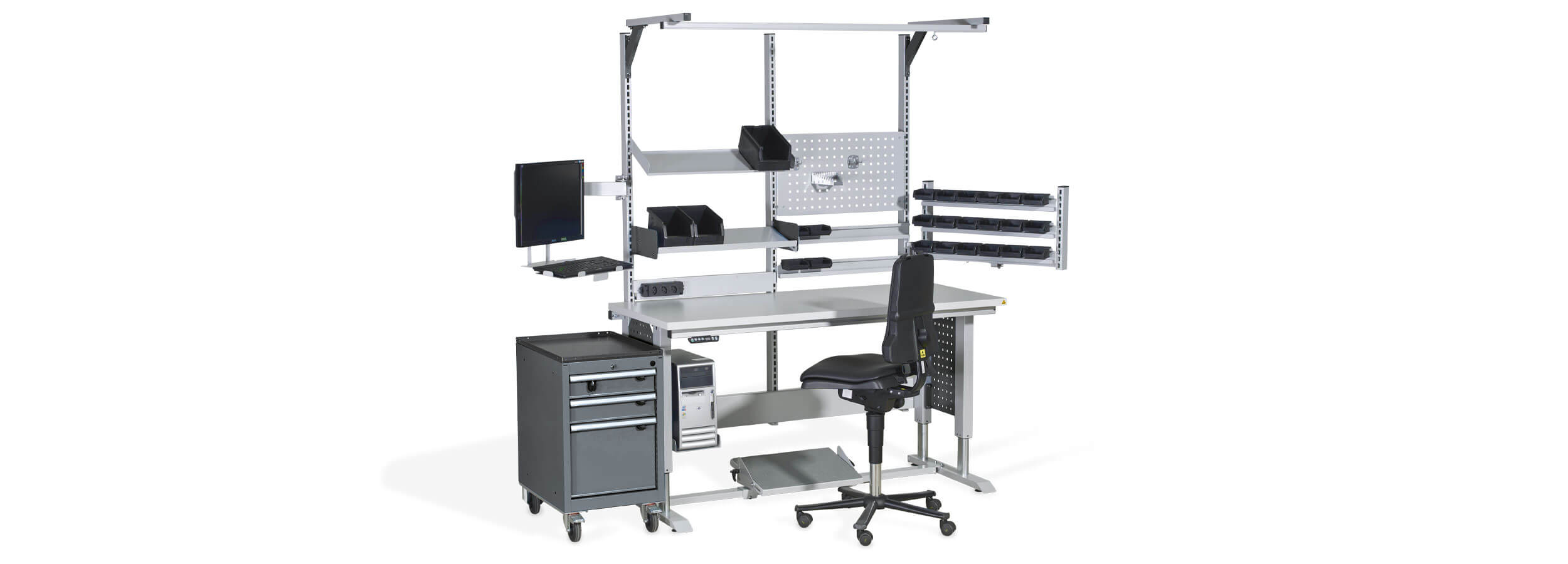
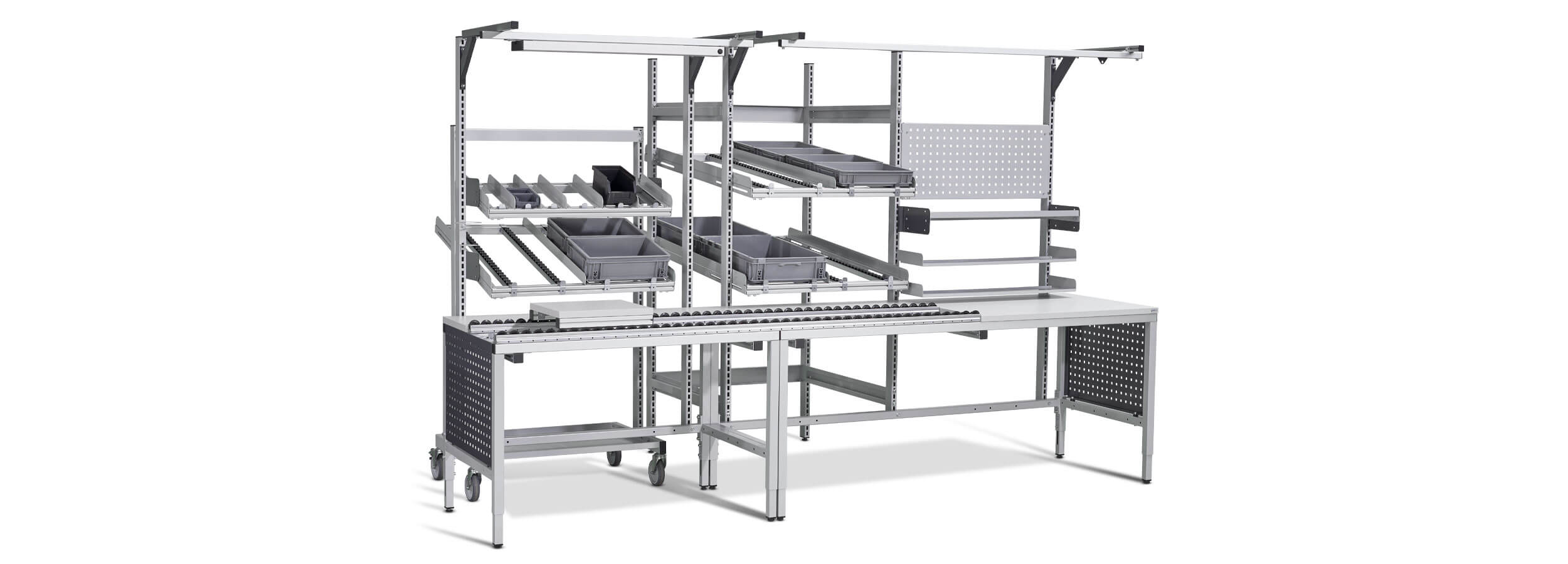
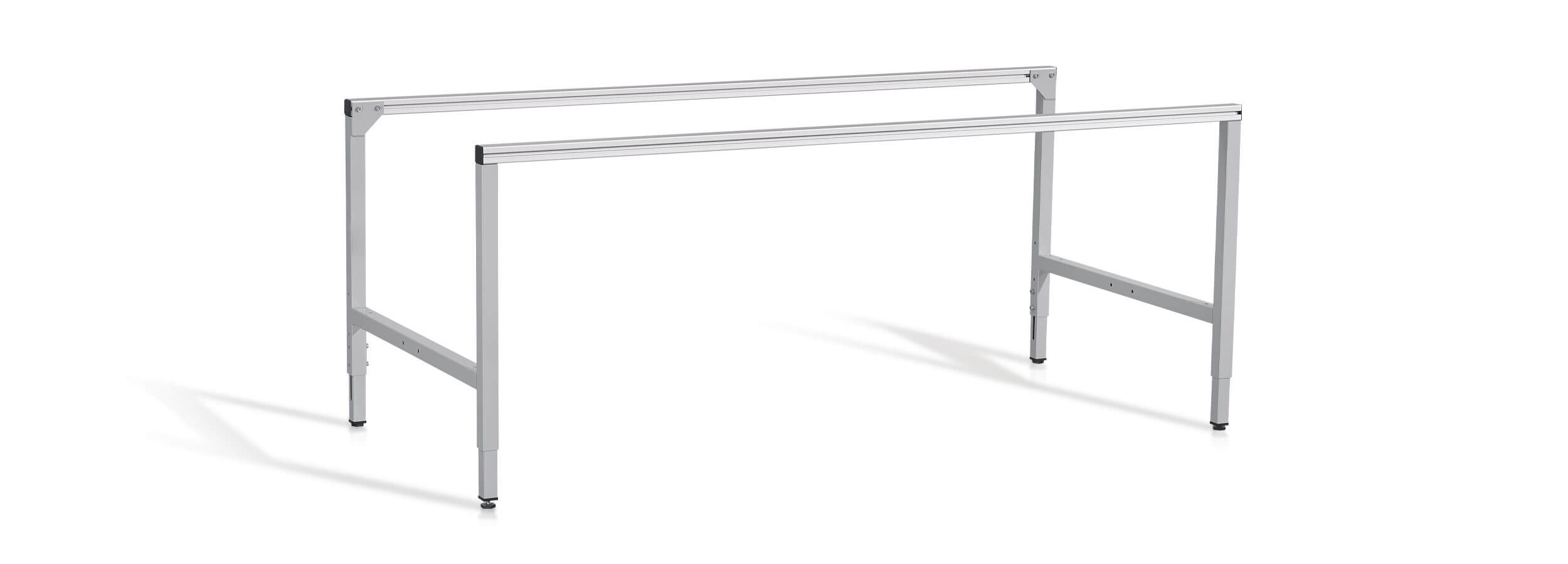
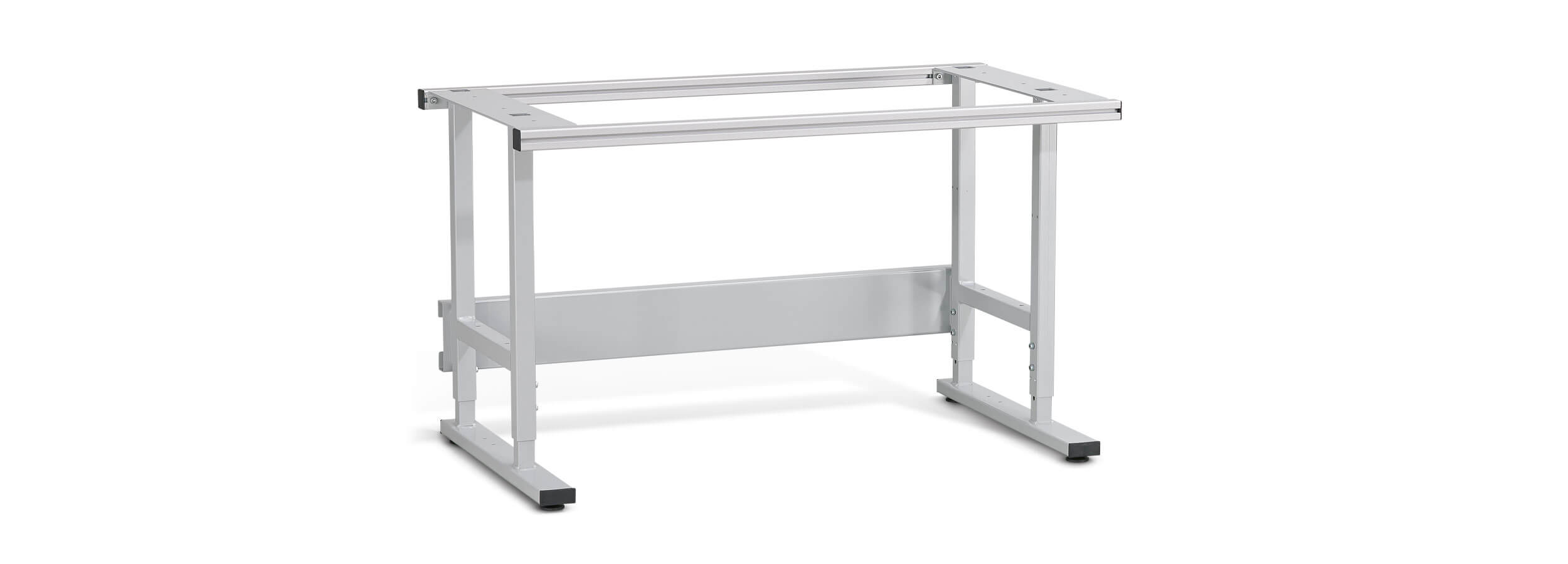
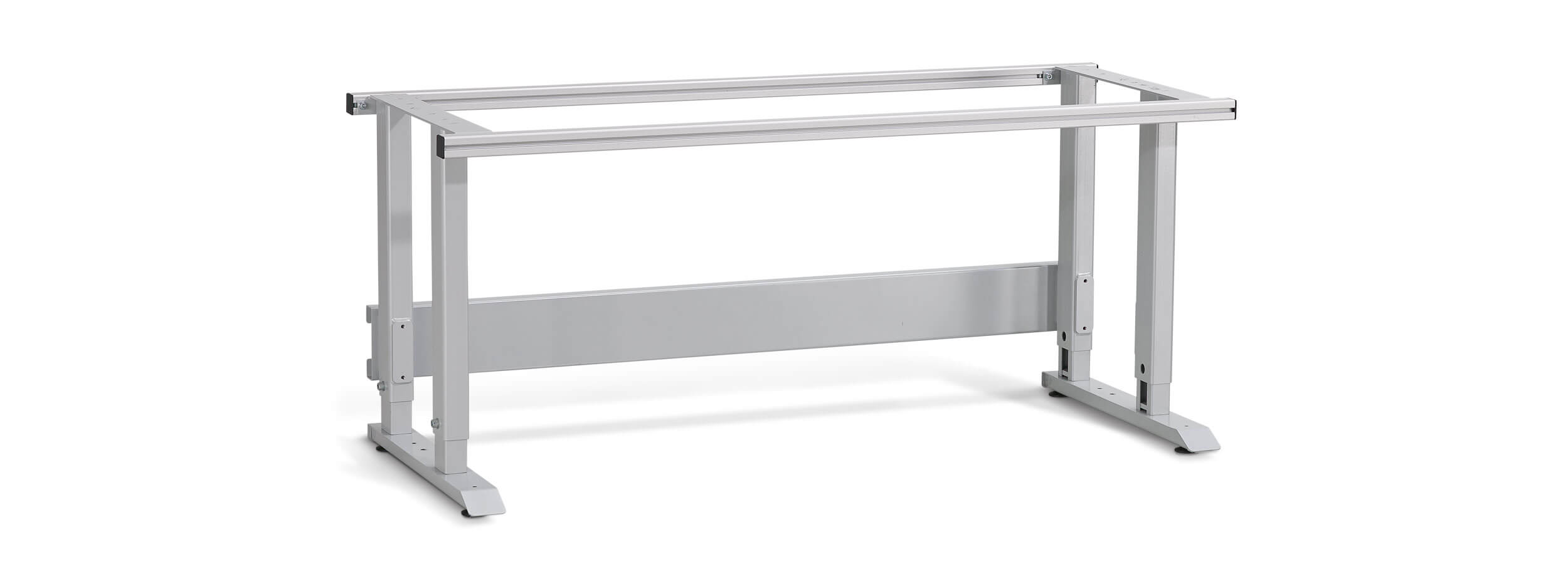
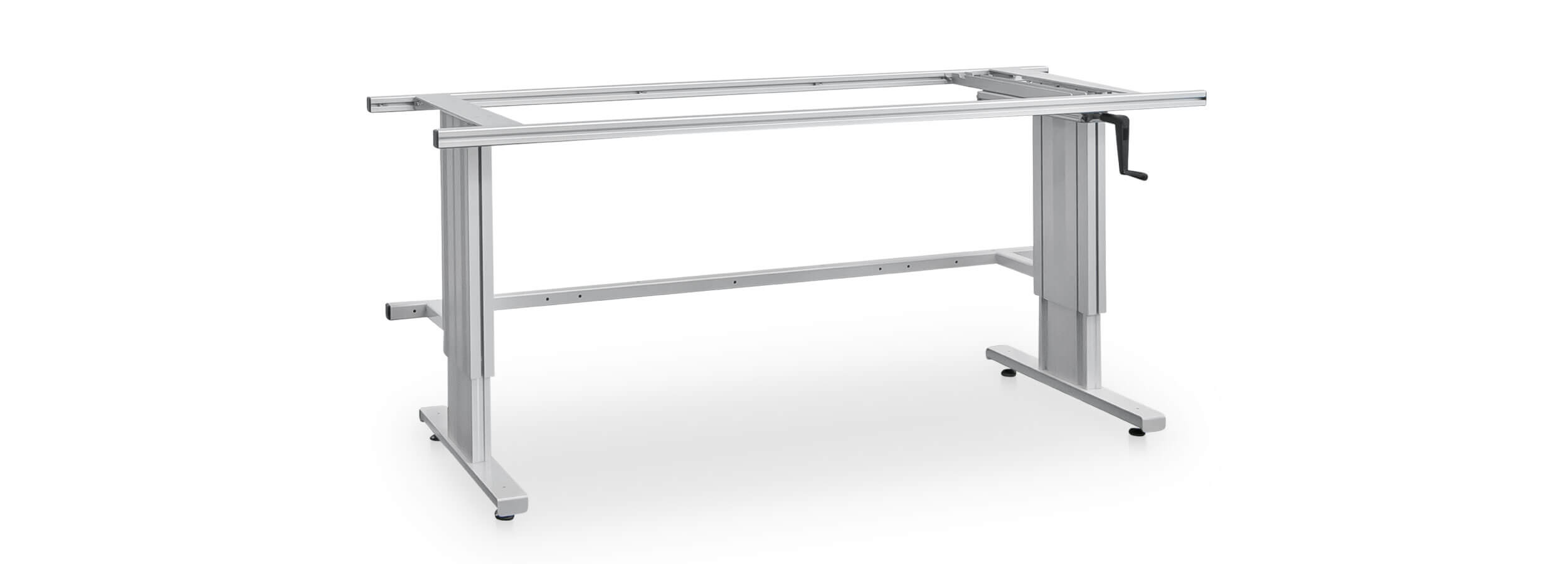
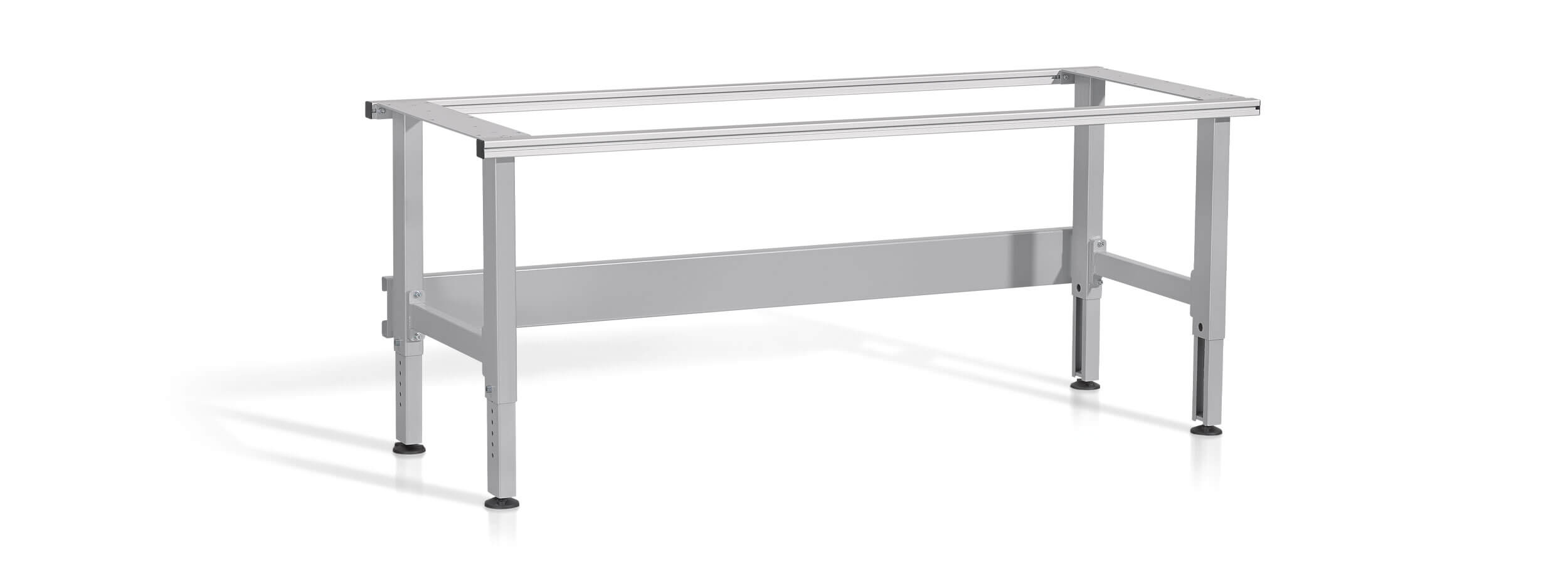
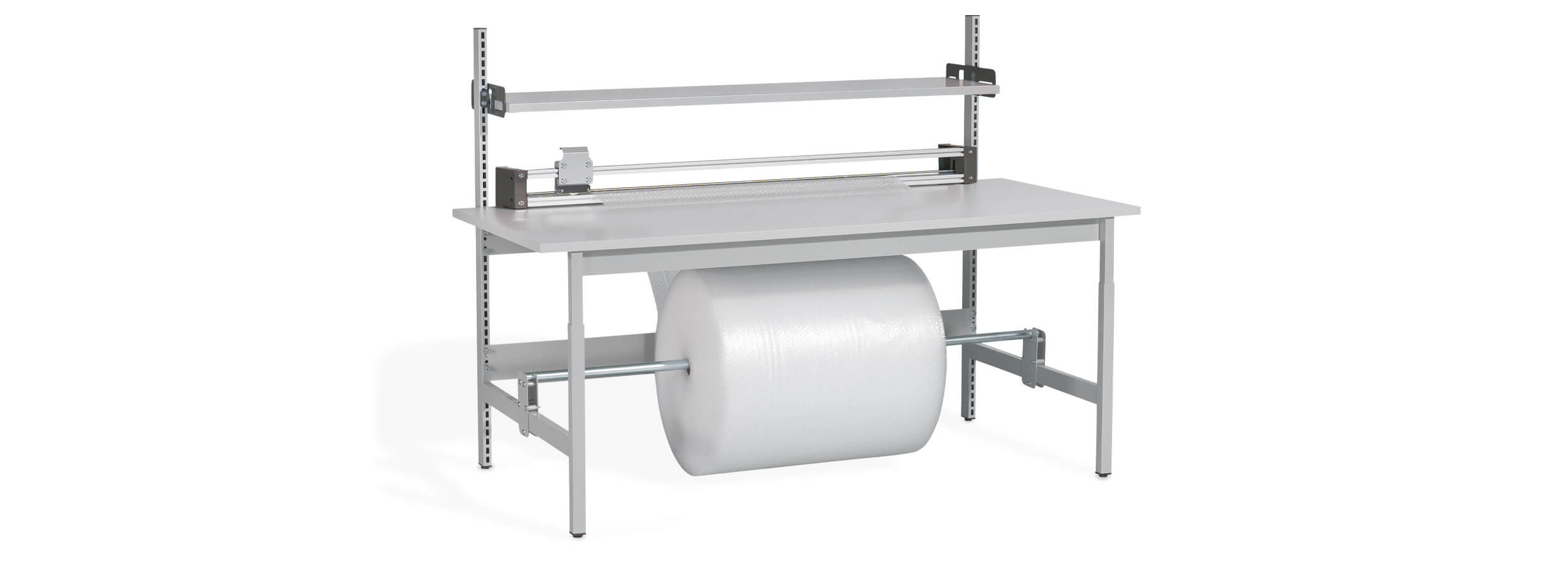
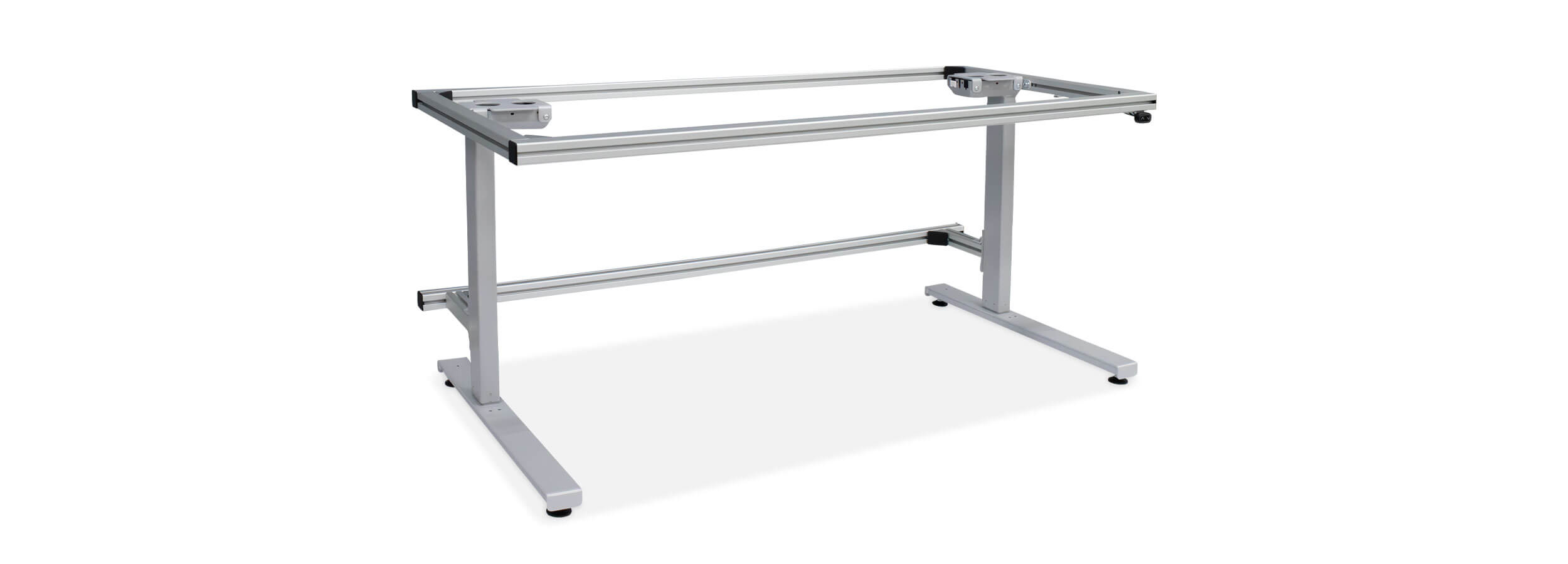
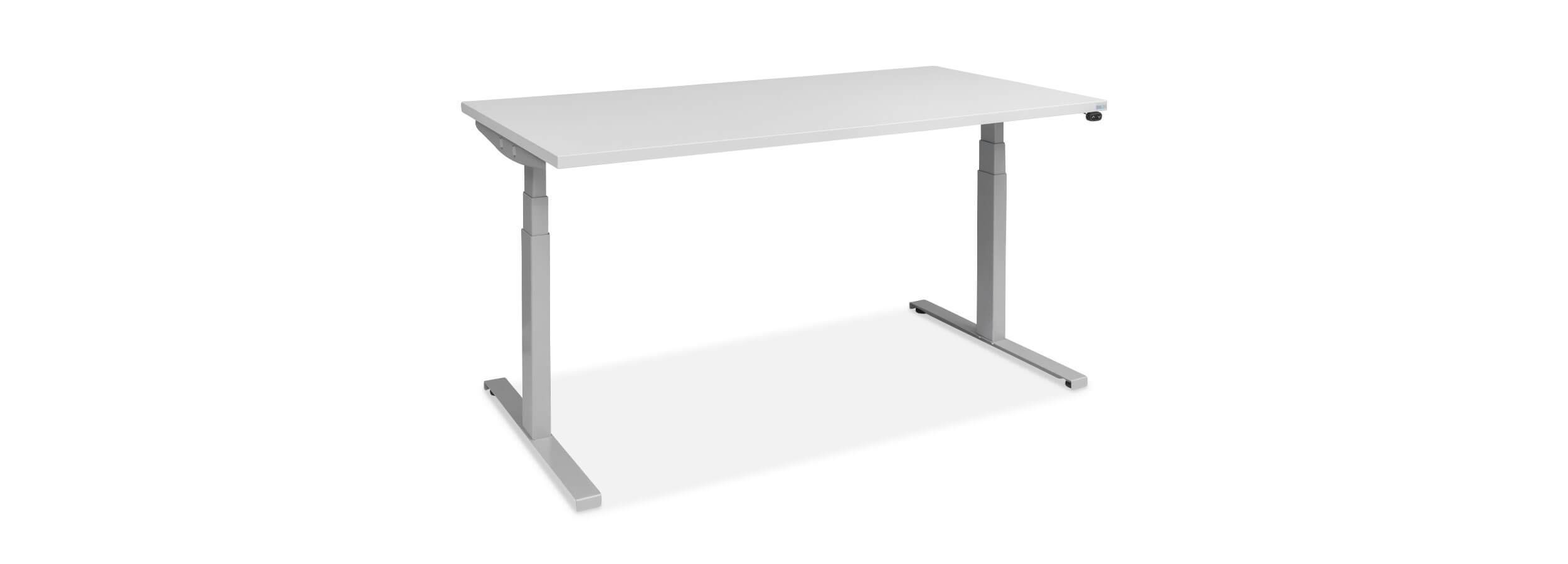
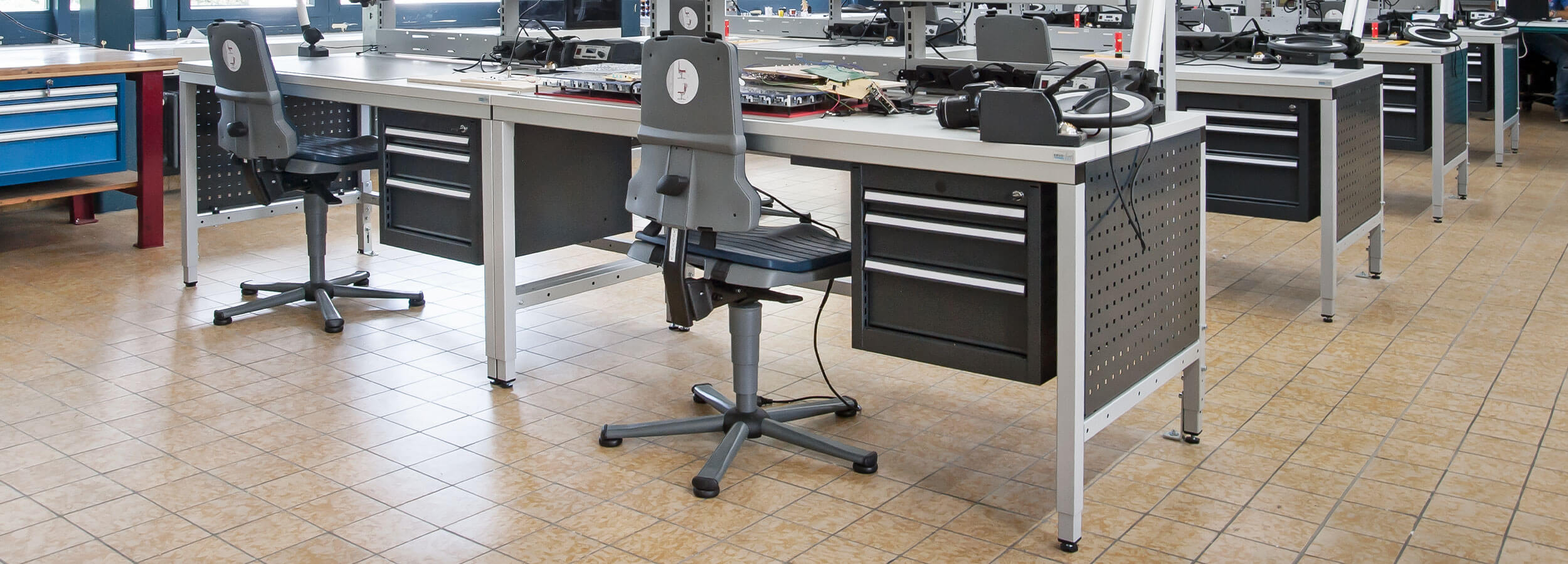
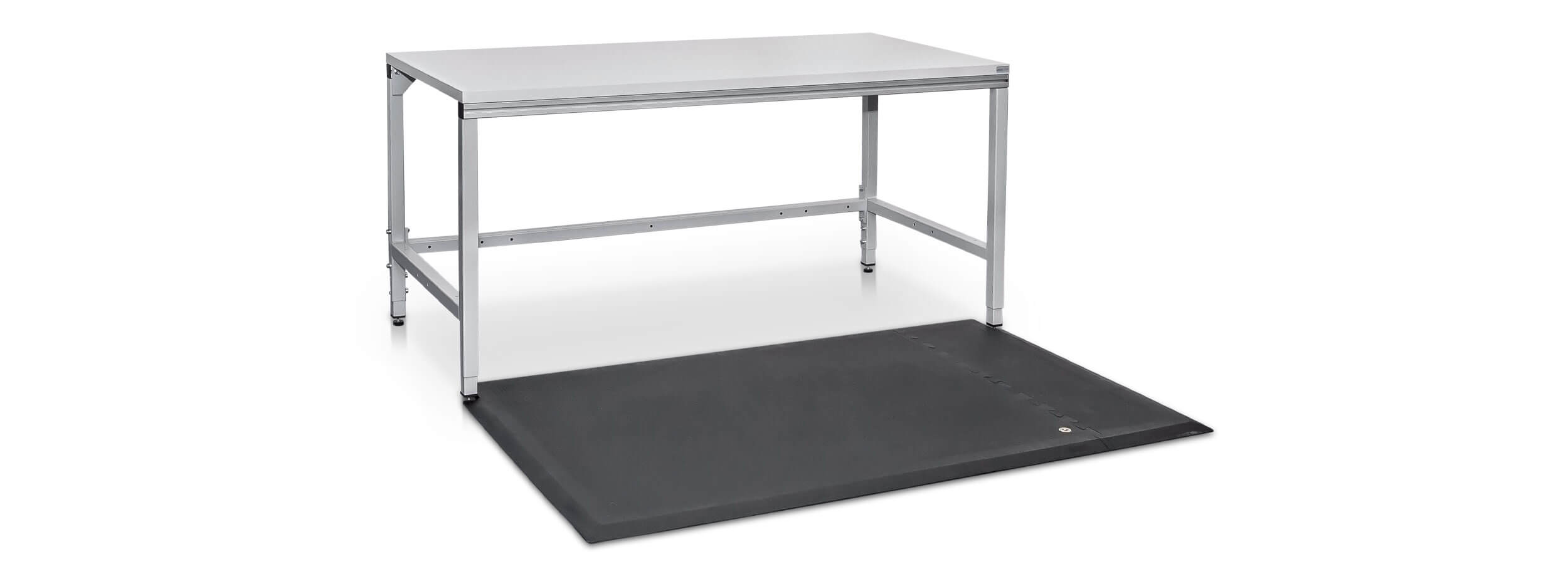
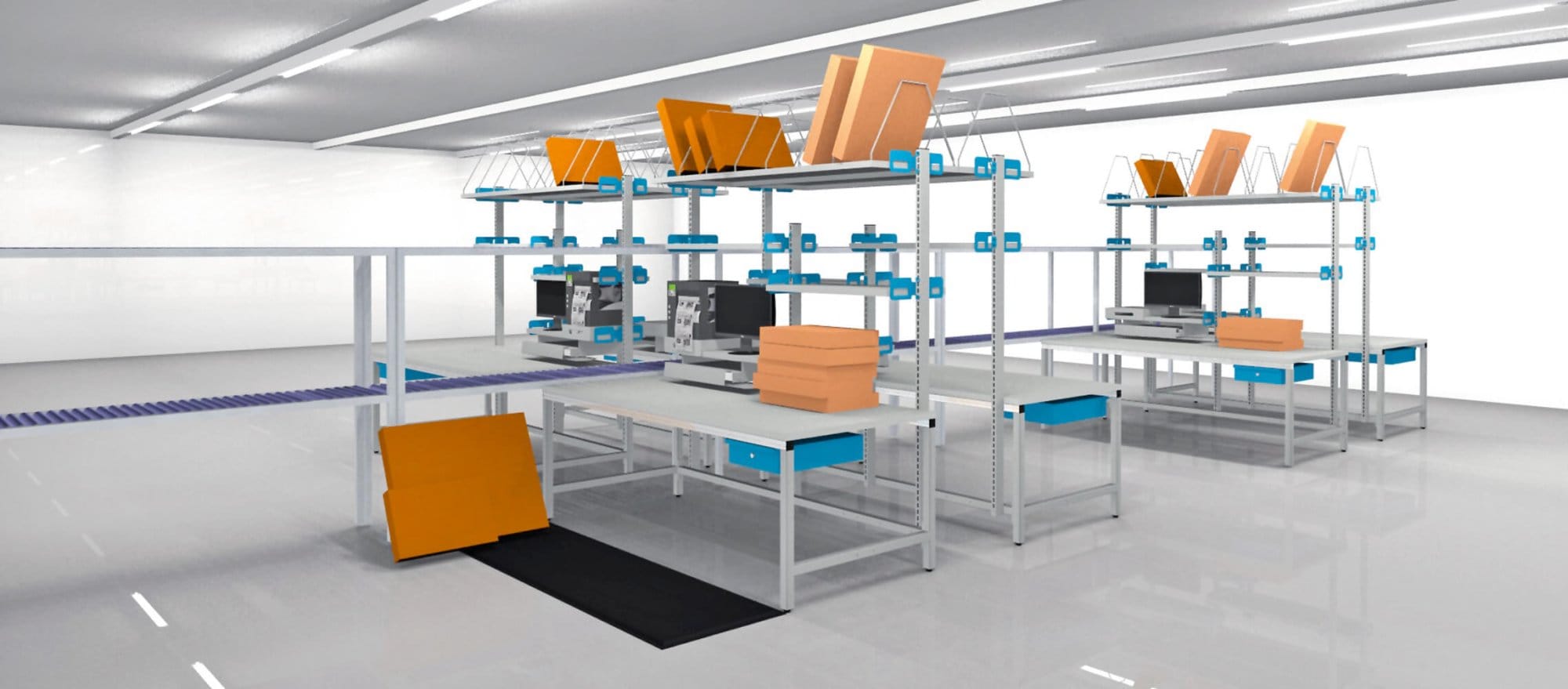
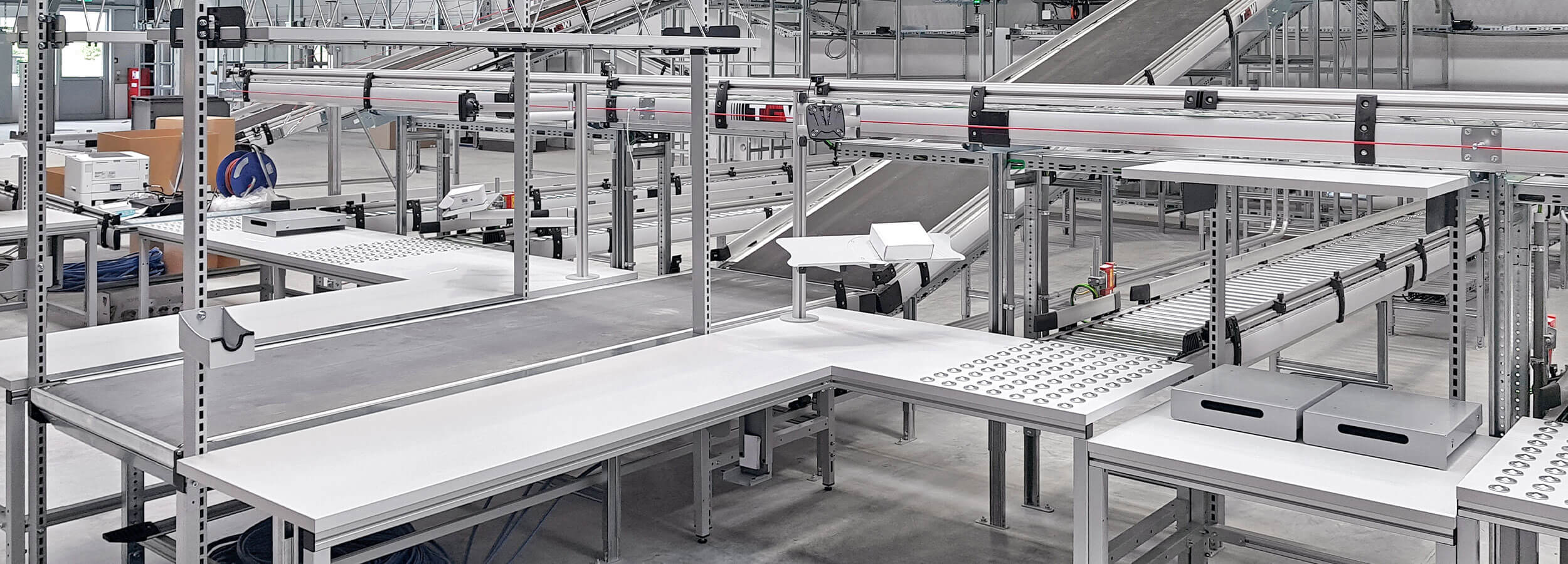
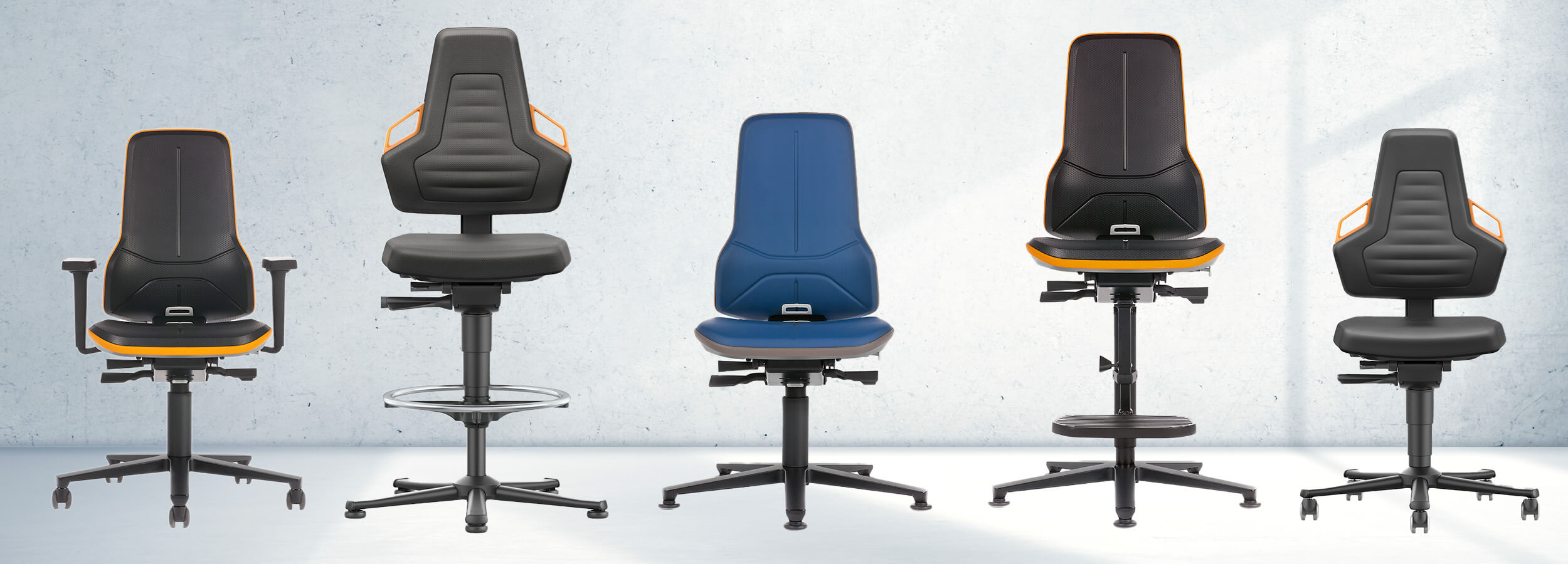
ERGO-line ESD-protected workstations safely dissipate existing charges to ground.
ESD – Business impact
In electronics manufacturing, industrial electronics, computer technology, telecommunications, automotive electronics, and many other production sectors, electrostatic discharge (ESD) is one of the most critical issues. Particularly insidious are quality problems that appear only days, weeks, or even months after the product has been delivered to the customer.
Such issues can trigger complaints, additional repair and replacement costs, damage to your reputation, and the loss of orders and customers.
ESD – Protection standards
There are several international standards for electrostatic discharge (ESD), with DIN EN 61340-5-1 being the most important. This standard specifies, defines, and mandates measures to prevent ESD.
All ERGO-line ESD products are certified to this standard.
ESD – Workplace protection measures
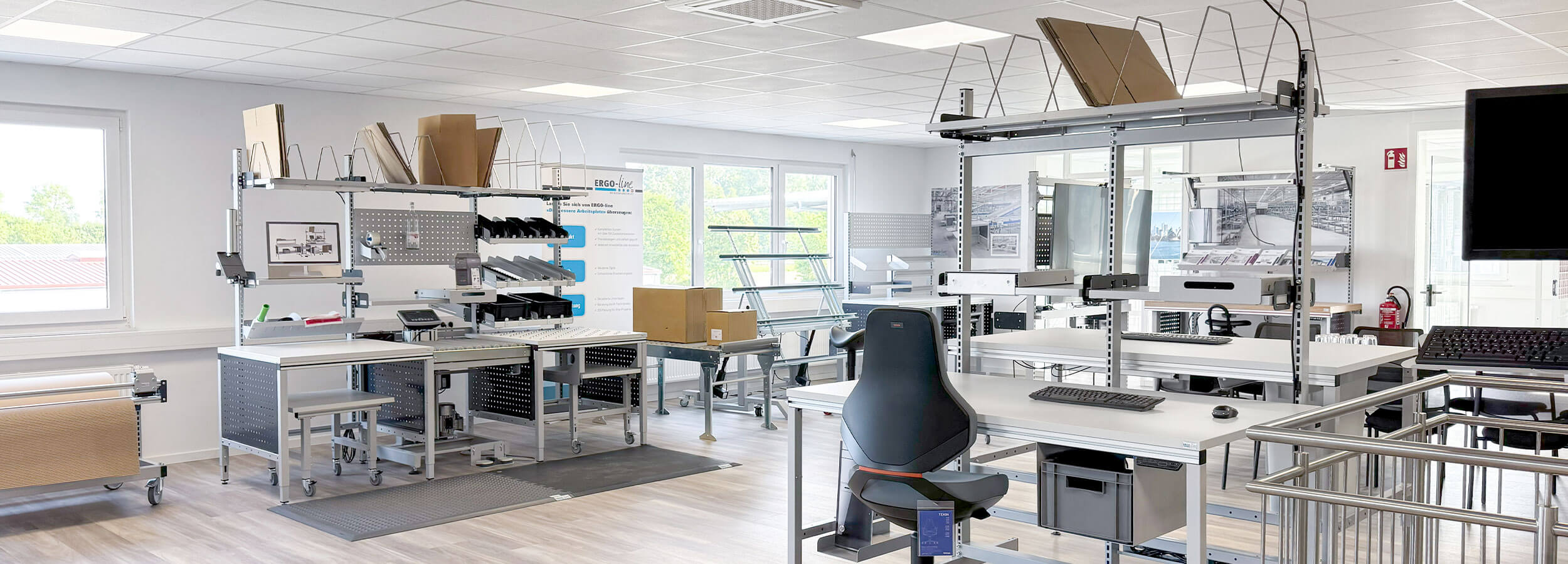
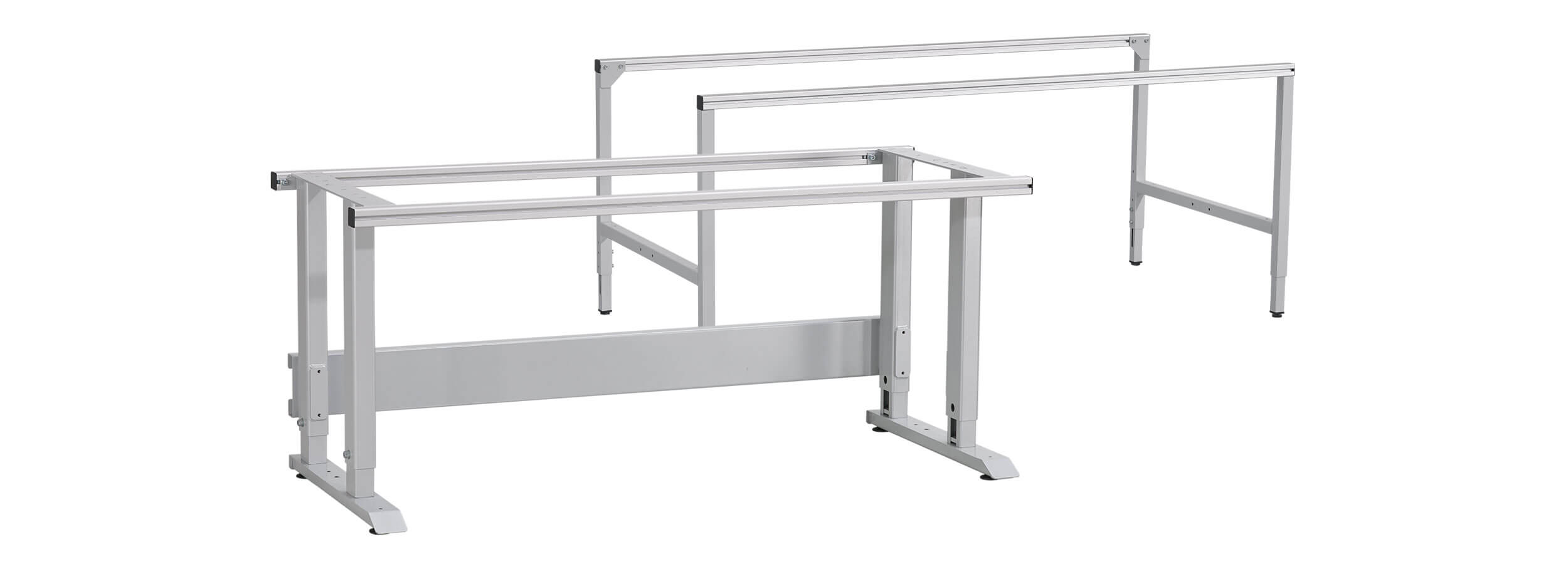
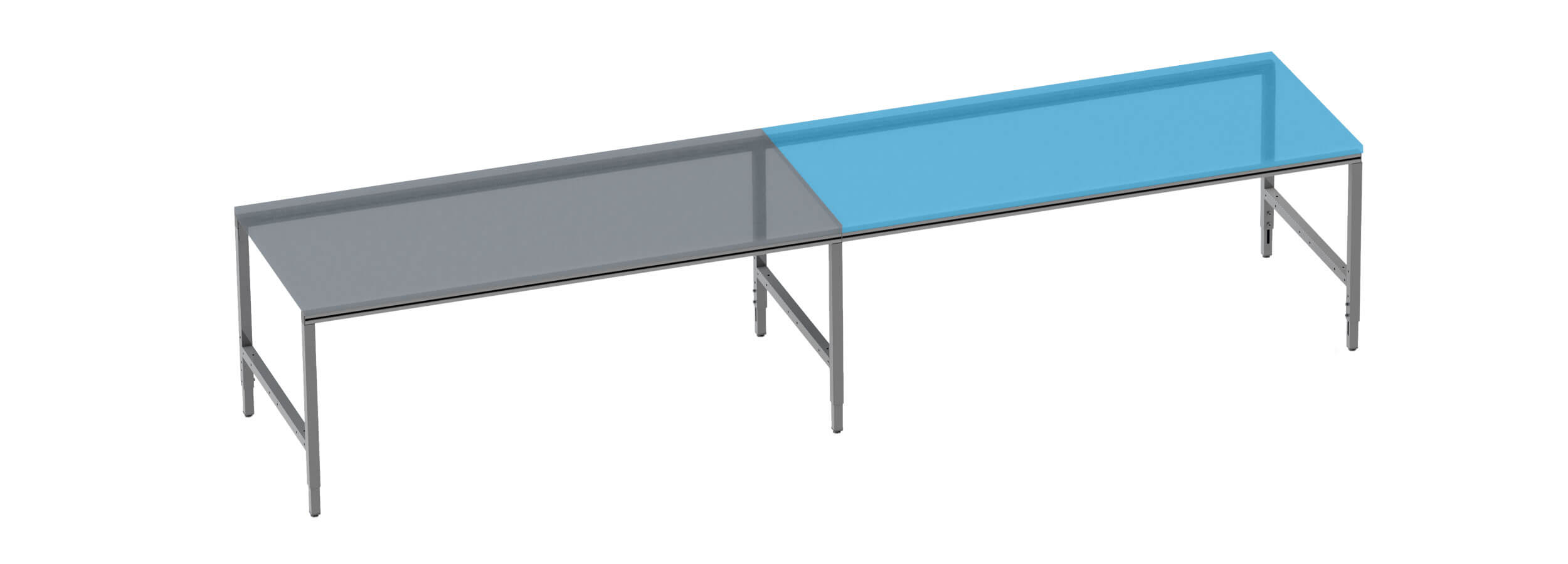
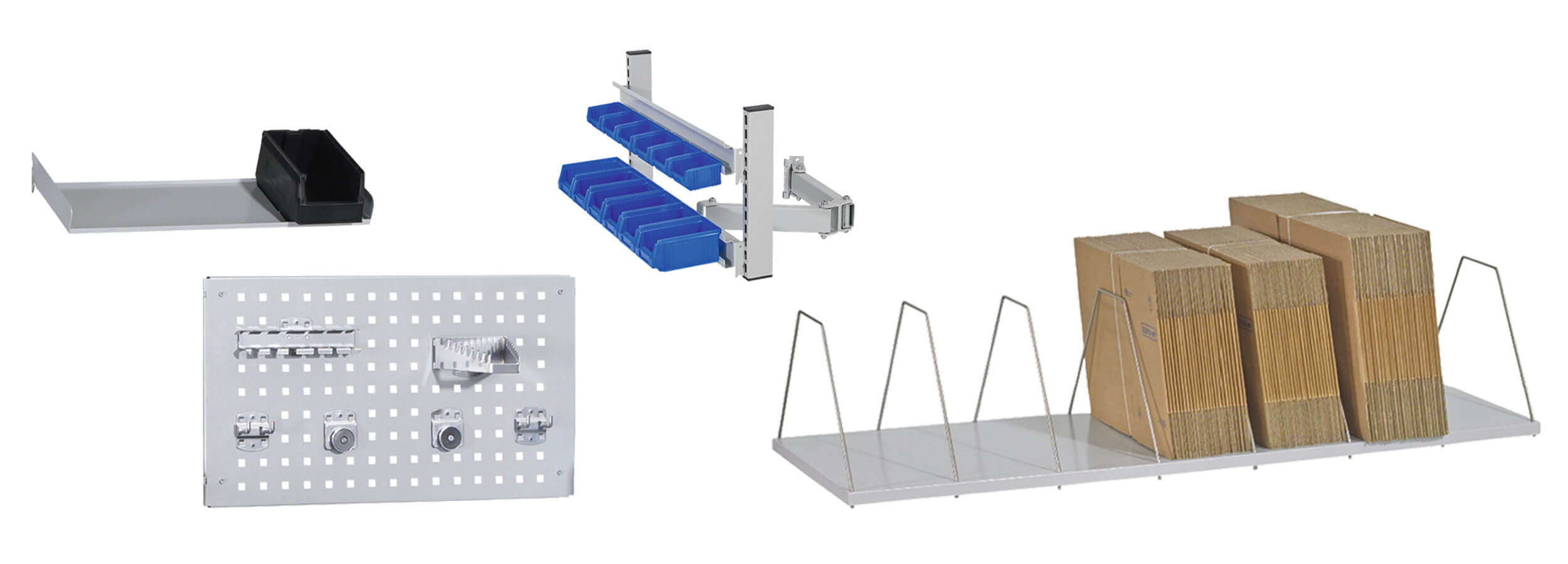
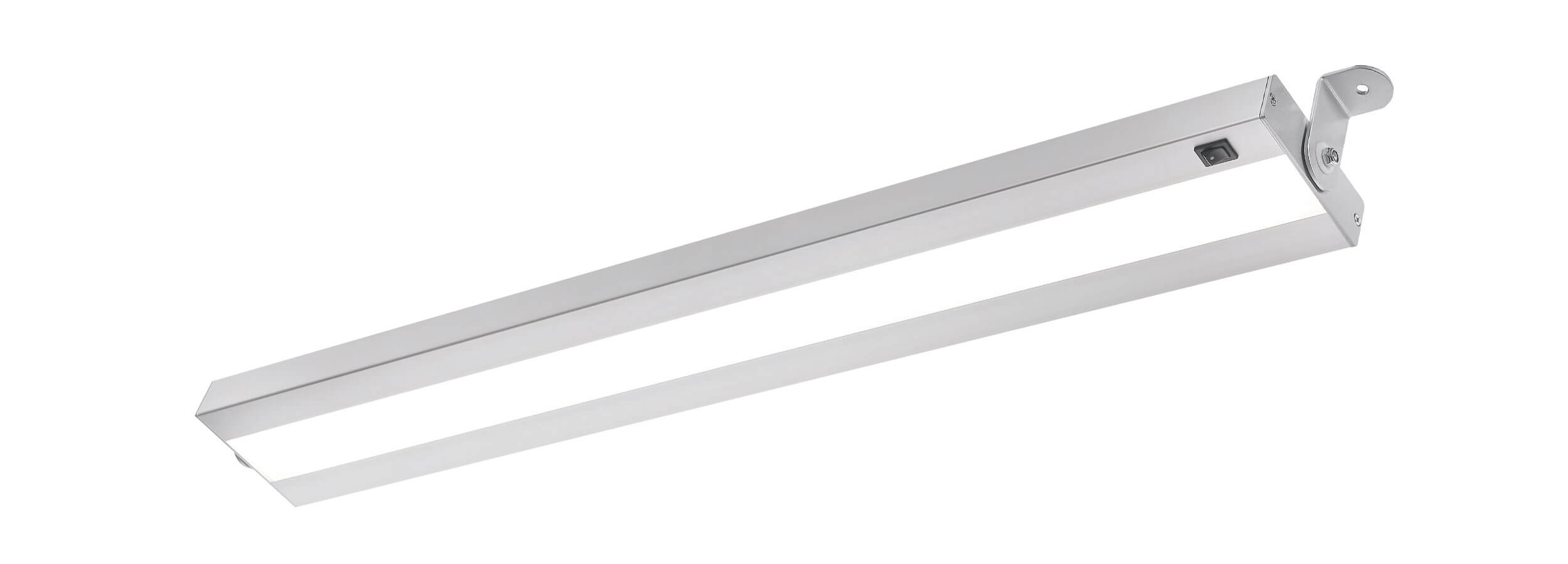
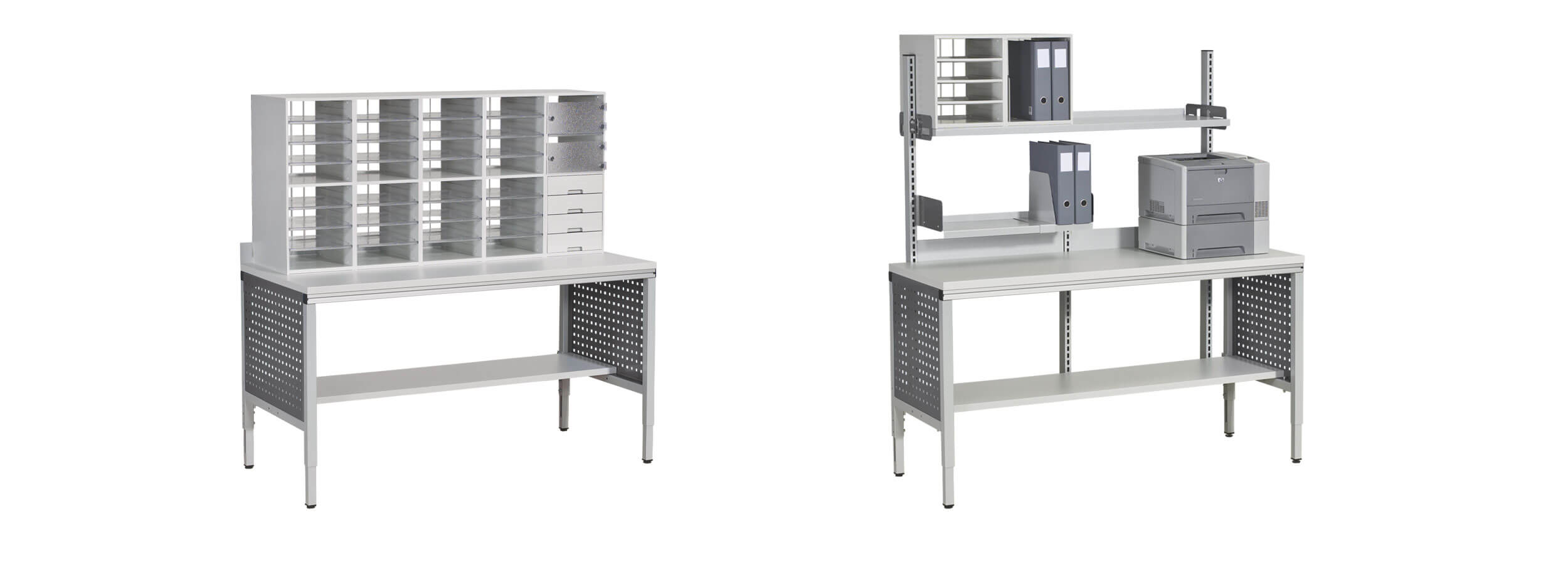
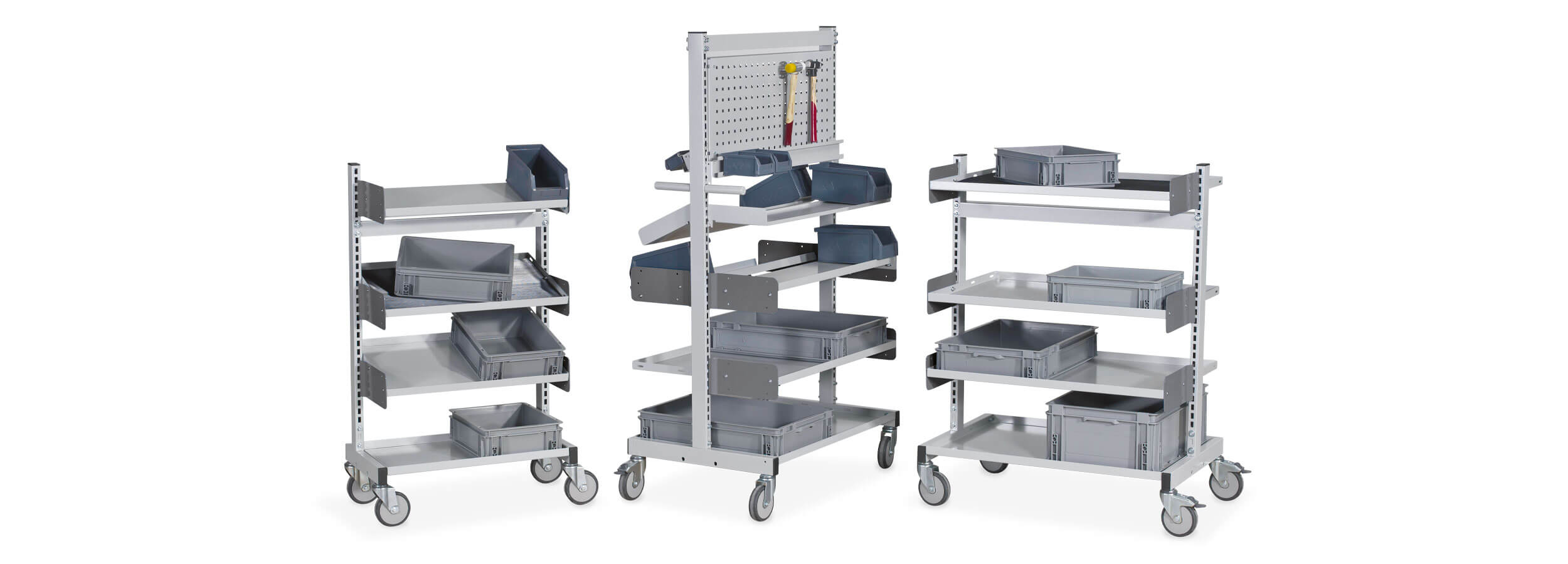
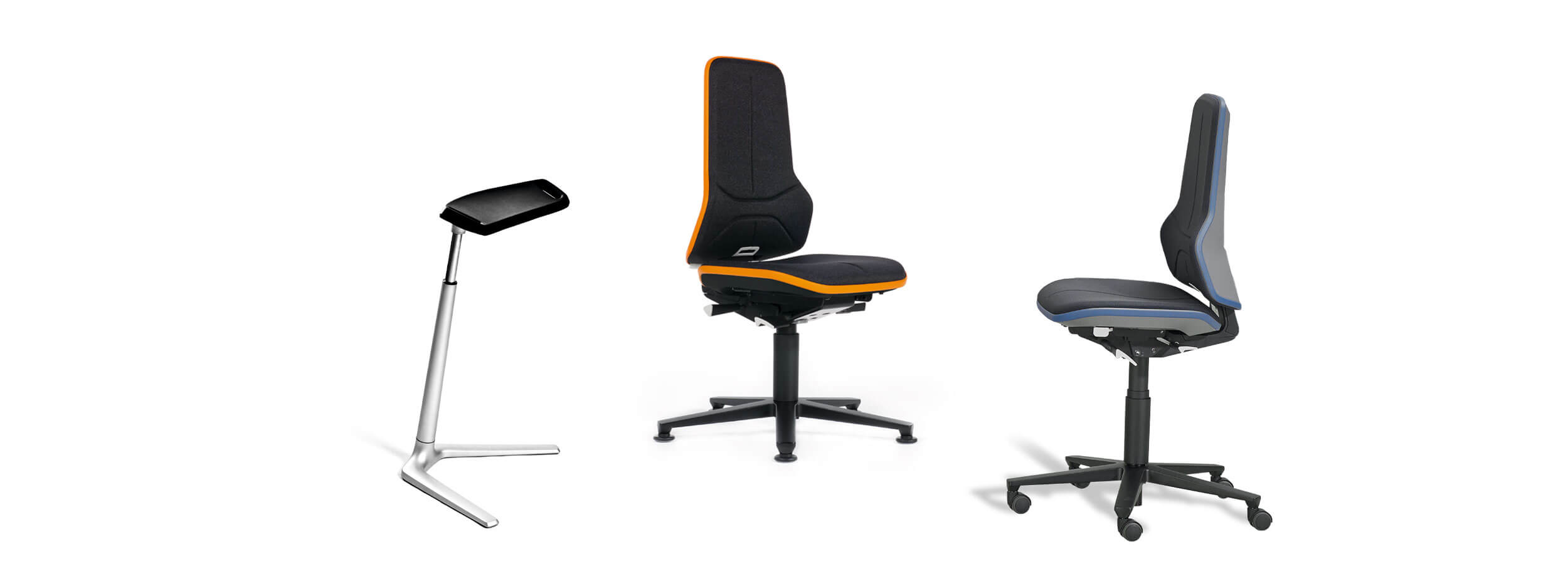
An optimal ESD workstation is located within an ESD protection zone where all materials are dissipative. This zone can cover a single work surface, an area, a room, or even an entire building. Elements of such a zone include dissipative floors, which can be achieved with specialized ESD floor mats. ESD furniture—such as tables, work surfaces, chairs, and shelving—is also required. Lighting is often overlooked. With ESD fixtures, both the housings and the louvers are made of dissipative material or appropriately coated.
We’re happy to advise!
ERGO-line offers expert consulting for your ESD project.
Plan your ESD protection zone with us!
All ERGO-line ESD products undergo a final outgoing inspection: before shipping, we test every ESD workstation for dissipative performance and approve it for delivery.


Nehmen Sie Kontakt auf!
Wir beraten Sie unverbindlich und unterstützen Sie bei der Umsetzung Ihres Projekts – für ergonomische Lösungen, die zu Ihnen passen.
Das ERGO-line Team freut sich auf Sie!
Weitere Beiträge
Diese Beiträge könnten Sie auch interessieren
Entdecken Sie die ERGO-line Produkte
Kompetenz und Innovation vereint
Über Uns
ERGO-line kombiniert langjährige Erfahrung mit flexiblen, hochwertigen Arbeitsplatzlösungen. An unseren Standorten in Deutschland und der Schweiz bieten wir maßgeschneiderte Produkte, die Ihre Arbeitsabläufe optimieren. Von der detaillierten Beratung über präzise Planung bis zur fachgerechten Ausführung – wir sorgen dafür, dass Ihre Anforderungen exakt erfüllt werden. Vertrauen Sie auf unsere Expertise für ergonomische und funktionale Arbeitsplatzsysteme.